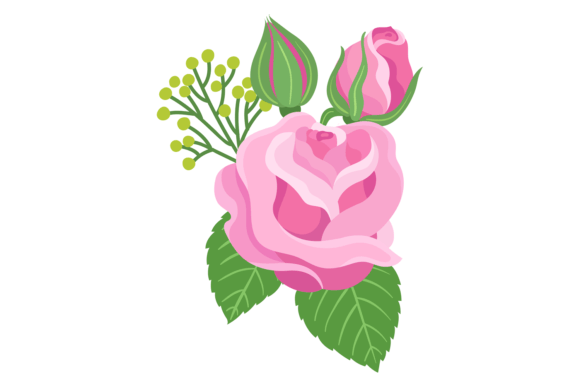
Pink Rose Flower. Romantic Decoration. F Review
When I first opened the file for Pink Rose Flower. Romantic Decoration. F, my initial reaction was less about the technical specs and more about the mood it instantly set. As a designer who spends hours troubleshooting stitch density and thread breaks, I don't just look at a shape; I visualize the finished product on a customer's chest or a gift-wrapped package. This design carries a distinct romantic energy that feels perfect for specific niches but might feel out of place in others. It is a classic floral element isolated on a white background, available in formats like EPS, JPG, SVG, and transparent PNG, which suggests versatility, but the real test happens when the needle hits the fabric.
The First Stitch: Visual Personality and Mood
The moment you load this into your embroidery software, the character of Pink Rose Flower. Romantic Decoration. F becomes clear. It isn't an aggressive, modern graphic; it is soft, inviting, and undeniably feminine. The layout suggests a single, focused bloom, likely relying heavily on satin stitch to create those smooth, petal-like surfaces that catch the light. For a handmade product, this visual personality is gold. It immediately signals quality and care, which are essential traits for boutique branding or personalized gifts.
I imagine this design sitting perfectly centered on a baby onesie or a delicate apron. The romantic theme resonates strongly with clients looking for wedding favors, anniversary gifts, or nursery decor. However, because it is described as a "floral element," I have to consider how much detail is actually packed into that file. If the petals are too intricate for a small hoop size, the machine might struggle to render the curves cleanly, turning a beautiful rose into a blob of pink thread. That is the fine line every embroiderer walks between artistic vision and mechanical reality.
Real-World Application: From Digital File to Finished Product
Let's talk about a real scenario. Imagine you are an Etsy seller preparing a batch of custom embroidered tote bags for a local craft fair. You want to add a touch of elegance without overwhelming the canvas. You pull up Pink Rose Flower. Romantic Decoration. F to see if it fits. The design is versatile enough to be scaled down for a cap patch or expanded for a pillow cover, but the context matters immensely.
If you use this as a primary motif on a heavy-duty sweatshirt, the romantic nature of the flower might clash with the rugged texture of the garment unless the thread colors are chosen carefully. Conversely, on a silk scarf or a linen tea towel, the softness of the design shines. The transparency of the PNG version helps me visualize how the design sits on different fabrics before I even cut the stabilizer. It allows for easy placement testing, ensuring the flower doesn't get lost in the weave of the material or sit awkwardly near a seam.
For commercial embroidery projects, such as creating a line of boutique products, consistency is key. This design offers a clean aesthetic that can be replicated across various items—from kitchen towels to holiday gifts. When customers receive a personalized gift featuring this rose, they aren't just getting a piece of cloth; they are receiving a sentiment. The visual appeal of a well-stitched rose creates trust in the brand. It tells the buyer that attention was paid to the details, which often translates to higher perceived value and better reviews for small shop owners.
Where to Exercise Caution
While this design has broad appeal, there are specific situations where Pink Rose Flower. Romantic Decoration. F requires a second look. I always advise designers to test the design on scrap fabric first, especially if you are working with textured fabrics or thin materials. A dense fill stitch area, common in floral designs, can pucker lightweight cotton or stretchy jersey knit if the stabilizer isn't selected correctly.
Dark fabrics present another challenge. Since the original description mentions the element is isolated on a white background, the digital preview might not fully convey how the pink thread will interact with a navy blue or black shirt. You may need to adjust the thread colors or add a contrasting underlay to ensure the rose pops rather than blending into the dark fabric. Similarly, on curved surfaces like caps, the geometry of the flower needs to be evaluated. If the design relies on sharp points or tiny lettering nearby, the curvature of the hat might distort the image, making the rose look slightly off-kilter.
Small hoop sizes are also a critical factor. If you plan to use this as a decorative accent on a pocket or a cuff, check the dimensions of the design against your machine's capabilities. Detailed corners and dense stitch areas can sometimes cause thread breaks or skipped stitches if the design is too large for the available space. Always inspect small details in your software to ensure they remain legible after stitching.
Technical Notes for the Professional Designer
To get the most out of this illustration, you must treat it as a dynamic asset rather than a static image. Review the stitch density within your digitizing software. High-density designs look great on screen but can be difficult to stitch on thick fabrics without proper backing. Confirm the hoop size required and select a stabilizer that matches the weight of your final product. For instance, a tear-away stabilizer might work well for a stable tote bag, but a cut-away would be necessary for a garment that will undergo frequent washing.
Thread color selection is paramount. The "Pink" in the title gives a hint, but the actual shade depends on your thread inventory. Test it in both light and dark fabric backgrounds to ensure the contrast remains high. Using a monochromatic mockup in black and white can help you judge the value contrast before committing to expensive threads. Furthermore, confirm whether the license terms allow for commercial use if you intend to sell finished items made with this design. Many digital product sellers assume all graphics are free for resale, but checking the licensing is a crucial step for any creative entrepreneur.
Ultimately, Pink Rose Flower. Romantic Decoration. F is a strong candidate for anyone building a collection of romantic or floral-themed items. Whether you are creating a custom apparel line, designing a unique patch, or crafting a heartfelt personalized gift, this design provides a solid foundation. It balances simplicity with elegance, making it suitable for everything from baby embroidery to holiday decorations. Just remember that the success of the finished product lies not just in the file itself, but in how you adapt it to the fabric, the machine, and the expectations of your customers.
By approaching this design with a practical mindset—testing on scraps, verifying stitch counts, and respecting the limitations of your equipment—you can transform a simple digital graphic into a stunning, professional-grade embroidery project. The result will be a product that not only looks beautiful but stands up to the wear and tear of daily life, earning the loyalty of your buyers and the respect of fellow makers.