I Love Dad 3D Shadow Box Paper Cut Review
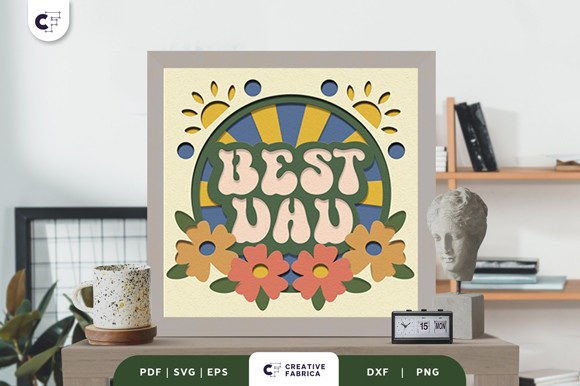
When I first opened the file for I Love Dad 3D Shadow Box Paper Cut, my immediate thought wasn't about the sentiment behind it, but rather how this specific layout would translate from a flat screen to a physical textile. As someone who has spent years reviewing digital assets for real-world production, I know that a beautiful preview image often hides the mechanical challenges of stitching. This 3D SVG promises a layered, dimensional look that mimics paper cut art, and while that is visually stunning in mockups, the execution requires careful planning.
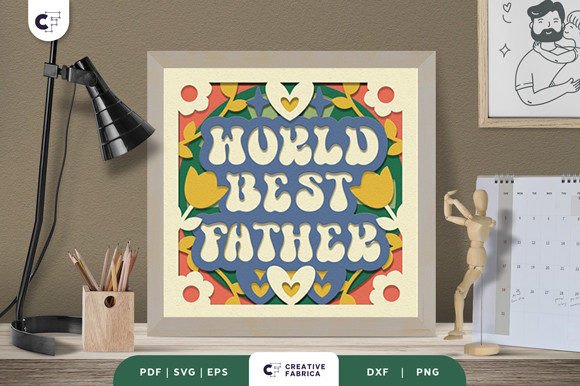
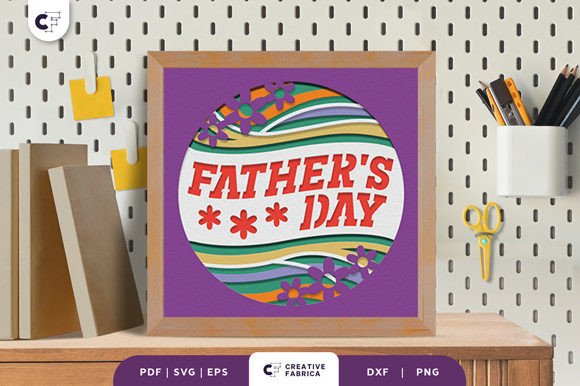
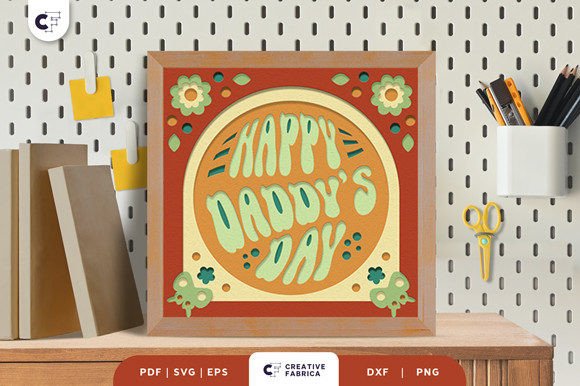
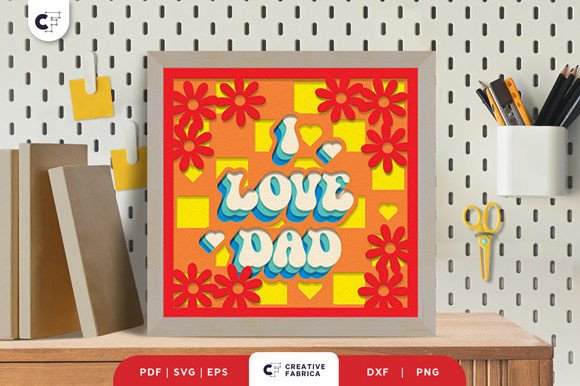
The design immediately evokes a mood of warmth and nostalgia. It feels less like a standard corporate logo and more like a heartfelt gesture intended for a personal touch. The floral elements surrounding the central message suggest a soft, organic feel that contrasts nicely with the structured "shadow box" aesthetic. For a designer looking to create a handmade product that stands out on a shelf or in an Etsy shop, this visual personality is a strong starting point. However, the transition from digital vector to embroidered thread is where the true test begins.
Real-World Application: From Screen to Sweatshirt
Let's imagine a practical scenario. I am preparing a custom order for a local boutique that specializes in Father's Day gifts. They want a limited run of premium sweatshirts featuring a unique design that captures the spirit of the holiday without being overly cliché. This is where I Love Dad 3D Shadow Box Paper Cut enters the conversation. The goal is to create a finished product that looks expensive and professionally crafted, justifying a higher price point.
In this context, the design serves as the centerpiece of a custom apparel piece. The shadow box effect implies depth, which can be achieved through strategic layering of different stitch types. If we were to place this on the chest of a heavyweight cotton sweatshirt, the floral details would need to be crisp enough to hold their shape against the texture of the fabric. The message itself needs to be legible even when viewed from a distance. In my experience, designs with this much detail often struggle on stretchy fabrics unless the right stabilizer is used. But on a stable knit or woven material, the potential for a high-end embroidery project is significant.
Consider also the versatility of this asset. Beyond apparel, this design could easily adapt to a tote bag design for a craft fair booth. The clean lines of the shadow box frame work well on canvas, providing a sturdy base for the embroidery. Alternatively, for those selling baby embroidery items, placing a smaller version of this motif on a onesie or a burp cloth creates a touching personalized gift. The key here is understanding that the "3D" aspect is largely optical; it relies on the contrast between the background and the foreground elements to sell the illusion of depth.
Navigating Technical Challenges and Fabric Constraints
While the concept is sound, there are specific areas where I Love Dad 3D Shadow Box Paper Cut demands caution. Not every surface is suitable for a design of this complexity. If you attempt to stitch this onto a textured fabric like corduroy or a highly looped fleece, the fine details of the floral accents may get lost in the weave. Similarly, thin fabrics like light polyester blends can pucker under the tension required for the fill stitches, especially if the stitch density is high.
Curved surfaces present another hurdle. Applying this design to a embroidered patch or a cap might distort the geometry of the shadow box, making the straight lines appear wavy. While curved hat machines exist, they require precise digitizing adjustments that a standard machine embroidery design might not have built-in. Furthermore, small hoop sizes are a definite no-go for this file. Attempting to compress the entire composition into a 4x4 inch hoop will result in a cluttered mess where individual petals merge into indistinguishable blobs. You need ample space to let the design breathe.
Dense stitch areas are another concern. If the design includes large blocks of satin stitch or heavy fill stitches, the resulting stiffness can make the garment uncomfortable to wear. This is particularly relevant for sweatshirt embroidery where the back of the design is visible to the wearer. Excessive density can lead to puckering, which detracts from the professional look of the finished product. Additionally, if the design features tiny lettering within the floral arrangement, ensure that the font size remains readable after washing. Frequent laundering can cause fine threads to fray, potentially blurring the message over time.
Visual Appeal and Brand Consistency
When executed correctly, I Love Dad 3D Shadow Box Paper Cut elevates the perceived value of any item it adorns. Customers are increasingly discerning; they can tell the difference between a generic clip-art style design and something that shows thoughtful construction. A well-stitched version of this design signals quality and attention to detail, which builds trust with buyers. For an Etsy seller or a small shop product owner, this distinction is crucial for maintaining brand consistency.
The design's ability to function as a digital embroidery file for commercial use depends heavily on the final output. When creating printable mockups or design assets for marketing, it is essential to show the texture of the thread and the dimensionality of the layers. A flat JPEG won't do justice to the effort put into the actual stitching. By highlighting the craftsmanship, you enhance the giftability of the item. People buy these products to give them, and seeing a tangible representation of quality makes the buyer more confident in their choice.
However, the design must fit the overall aesthetic of your brand. If your shop focuses on minimalist, modern aesthetics, this floral-heavy, shadow-box style might feel too busy. Conversely, for a brand centered around rustic, vintage, or sentimental themes, this design is a perfect match. It reinforces the emotional connection between the giver and the recipient, which is the core of Father S Day gifting culture.
Practical Notes for the Professional Designer
Before committing to a full production run, there are several non-negotiable steps to take. First and foremost, always test the design on scrap fabric first. This allows you to assess how the threads interact with the specific material you plan to use. Check the thread color contrast carefully; what looks good on a white background might disappear on a navy shirt. Review the stitch density in your software to ensure it isn't too aggressive for the chosen fabric weight.
Confirm the hoop size requirements before ordering materials. Ensure you have the correct stabilizer ready—likely a tear-away or cut-away depending on the fabric stability—and verify that the design works for both personal and commercial projects by checking the license terms provided with the download. Inspect small details closely; sometimes, the smallest elements in a complex file are the ones that fail during stitching. Test the design in black and white mockups to see if the composition holds up without the distraction of color. Finally, compare light and dark fabric backgrounds to ensure the design remains balanced across different product variations.
If the file does not explicitly state compatibility with your machine or the exact number of stitches, assume the worst and prepare for adjustments. Do not invent specifications; instead, advise your team or yourself to verify these details before using the file in a client project. The difference between a successful launch and a costly mistake often lies in these preliminary checks. By treating I Love Dad 3D Shadow Box Paper Cut with the respect due to a professional tool, you ensure that the final output meets the high standards expected in today's competitive handmade market.