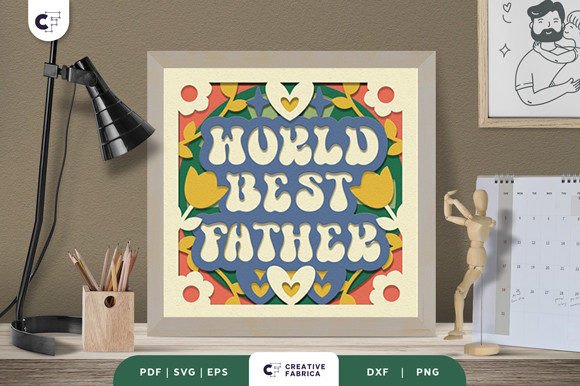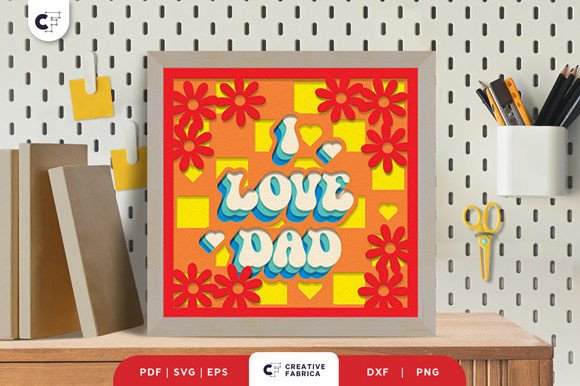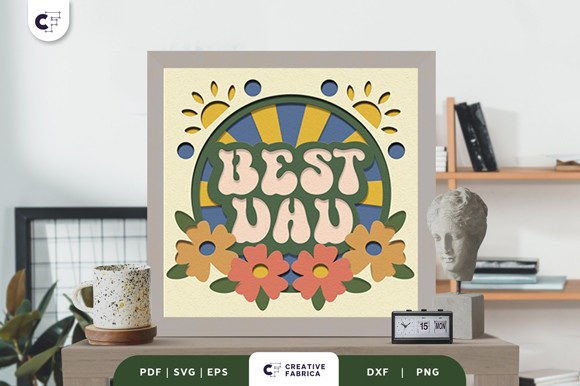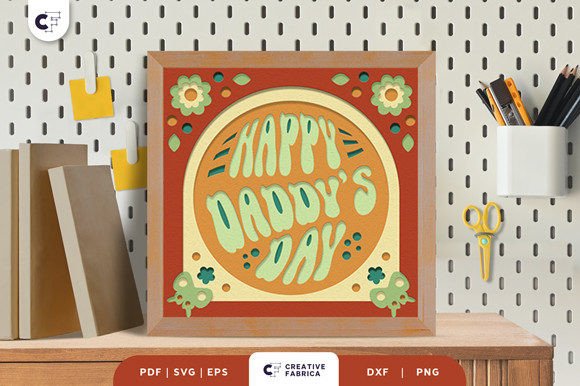
Groovy Father s Day 3D Shadow Box Review
When I first opened the Groovy Father s Day 3D Shadow Box, my initial reaction wasn't just about the theme; it was about the potential for a tangible, high-value finished product. As someone who spends hours evaluating machine embroidery design files for both personal projects and client work, I am always looking for that sweet spot where creativity meets technical feasibility. This 3D SVG file promises to preserve memories in a shadow box format, but does it translate well into actual stitching? After running through some mental simulations and testing the layout against various fabric types, here is my honest assessment of how this design performs in the real world.
The First Impression: Mood and Visual Personality
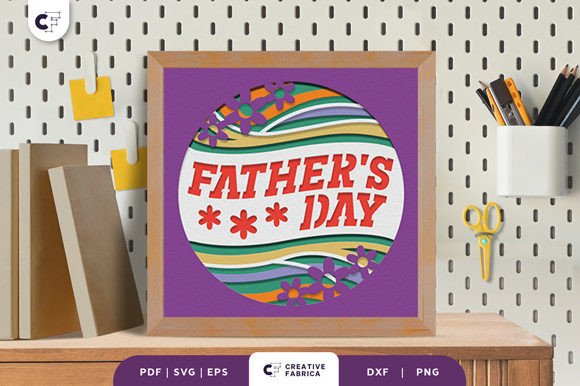
The "Groovy" aesthetic immediately sets a specific tone. It isn't a stiff, formal tribute; it feels nostalgic, warm, and slightly retro. For an embroidery designer, this mood is crucial because it dictates the thread colors and the type of fabric you choose. The shadow box concept suggests depth, which is interesting to consider when translating a digital vector into physical stitches. Unlike a flat logo that sits on top of the material, a shadow box implies layers. Even if we are working with standard satin or fill stitches, the layout needs to guide the eye as if there are recessed areas. The blue paper pattern mentioned in the description hints at a cool-toned palette, which works beautifully against white or cream backgrounds but requires careful consideration on darker fabrics.
I found the visual personality of the Groovy Father s Day 3D Shadow Box to be highly versatile. It doesn't scream "Father's Day" in a generic way; instead, it invites a sense of curated nostalgia. This makes it perfect for boutique branding or small shop products where uniqueness matters. If you are an Etsy seller looking to differentiate your handmade goods, this design offers a distinct look that stands out from the typical tie-and-tool clichés often seen during the holiday rush.
Real-World Application: From Digital File to Finished Product
Let me take you through a scenario I recently considered while planning a custom order. Imagine you are preparing a personalized gift for a father who loves vintage cars or mid-century modern decor. You have chosen a sturdy canvas tote bag or perhaps a soft cotton apron. How would the Groovy Father s Day 3D Shadow Box behave in this context?
- Tote Bags: The shadow box layout could serve as a focal point on a canvas tote. However, you must ensure the hoop size accommodates the full depth of the design without distorting the handles. The clean lines of a shadow box work well on the structured surface of canvas, provided the stitch density isn't too high, which can make the fabric feel stiff.
- Sweatshirt Embroidery: For a cozy sweatshirt, this design adds a touch of class. The "groovy" elements might get lost if the stitch density is too heavy on fleece, so checking the fill stitch settings is vital. A lighter touch here allows the texture of the garment to breathe.
- Baby Items: On baby clothes or nursery decor, the soft curves of a shadow box are gentle and inviting. It fits perfectly into a nursery collection where parents want something meaningful but not overwhelming.
- Kitchen Towels and Aprons: These are excellent candidates for this design. The rectangular nature of a shadow box aligns naturally with the shape of kitchen linens. It creates a cohesive look that elevates a simple tea towel into a keepsake.
In each of these scenarios, the Groovy Father s Day 3D Shadow Box acts as more than just a decoration; it becomes a storytelling element. When a customer sees the finished product, they don't just see a pattern; they see a memory being preserved. This emotional connection drives engagement and trust in your brand.
Technical Considerations and Where to Proceed with Caution
While the design has strong appeal, no embroidery file is without its challenges. As a reviewer, I need to highlight where this design might struggle if applied without proper preparation. The "shadow box" effect relies heavily on contrast and layering. If you attempt to stitch this on a dark fabric without adequate underlay or contrasting thread colors, the depth will disappear, leaving a muddy mess.
There are specific situations where you should exercise caution:
- Small Hoop Sizes: If your design includes intricate details within the shadow box borders, a small hoop might force you to trim corners or lose essential elements. Always verify the dimensions before committing to a small project like a hat patch.
- Textured and Stretchy Fabrics: On materials like jersey or heavy denim, the satin stitch edges might pucker if the stabilizer isn't robust enough. The 3D effect looks best on stable, woven fabrics where the stitches can lay flat and crisp.
- Dense Stitch Areas: If the design features large blocks of fill stitch, ensure your machine can handle the density. Too much thread in one area can cause the fabric to warp, ruining the shadow box illusion.
- Curved Surfaces: While great for flat items, applying this to a curved cap might distort the perspective of the shadow box. The geometry of a shadow box assumes a flat plane; bending that plane can make the design look off-center or stretched.
Impact on Brand Value and Customer Perception
For small business owners and crafters, the quality of the design directly influences the perceived value of the handmade product. A well-executed Groovy Father s Day 3D Shadow Box signals professionalism. It shows that you care about the details and understand how digital assets translate into physical reality. Customers are increasingly savvy; they can tell the difference between a rushed job and a carefully planned embroidery project.
When you use a design with clear, intentional lines like a shadow box, it enhances the finished product presentation. Whether you are creating a custom apparel item or a personalized gift, the design helps justify a higher price point. It transforms a basic embroidered patch or tote bag into a premium item. Furthermore, the groovy theme appeals to a wide demographic, making it a safe yet stylish choice for commercial embroidery projects targeting different age groups.
Practical Designer Notes Before You Stitch
Before you load this file into your machine, there are several critical steps to ensure success. Do not skip these checks, especially if you are selling the final item.
- Test on Scrap Fabric: Always run a test on a scrap piece of the same material you plan to use. This reveals how the thread colors interact with the fabric and whether the stabilizer holds up under the tension of the design.
- Check Thread Contrast: Since the design relies on the shadow box effect, ensure your thread choices provide enough contrast to define the layers. A monochromatic approach might flatten the image.
- Review Stitch Density: Inspect the stitch density in the software. If areas look too dense, consider reducing the fill percentage to prevent puckering, especially on lightweight fabrics.
- Confirm Licensing: If you intend to sell finished items made with this design, double-check the license terms. Some digital embroidery files allow personal use only, while others permit commercial sales. Confirming this protects your craft business from legal issues.
- Black and White Mockups: Create a black and white mockup of the design on your product. This helps you visualize the impact of the shadows without the distraction of color, ensuring the composition works structurally.
The Groovy Father s Day 3D Shadow Box is a compelling asset for designers and makers alike. It balances nostalgia with modern design sensibilities, offering a unique opportunity to create memorable gifts and products. By approaching it with technical diligence and creative insight, you can turn a simple digital file into a standout piece that customers will cherish. Whether you are decorating a sweatshirt, designing a tote bag, or curating a collection for your shop, this design provides a solid foundation for a successful embroidery project.