Cute Spider with Floral Headband Design Review
When I first opened the file for Cute Spider with Floral Headband, my immediate reaction was a mix of delight and practical scrutiny. As someone who spends hours every day evaluating digital assets for real-world production, I don't just look at how a design looks on a screen; I think about how it translates to thread, fabric, and the final customer experience. This piece strikes a charming balance between spooky season whimsy and delicate botanical aesthetics. It feels like the kind of design that could easily become a bestseller in an Etsy shop or a standout feature on a boutique tote bag, provided you understand its structural nuances.
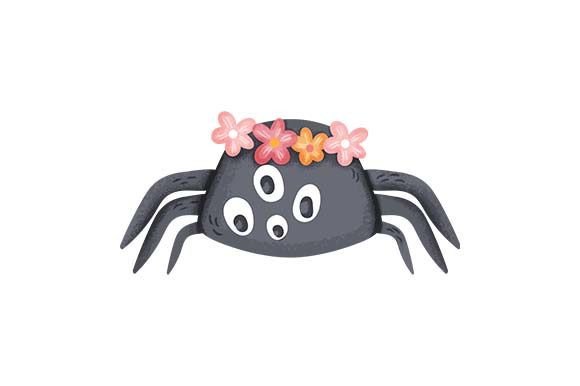
The visual personality of Cute Spider with Floral Headband is distinct. It avoids the generic "scary spider" trope often seen in Halloween collections. Instead, the floral headband adds a layer of softness that makes the subject approachable. For a craft business owner, this versatility is gold. It allows you to market the item not just as a holiday decoration but as a year-round cute motif or a specific seasonal accent. The layout is compact yet detailed enough to hold attention without overwhelming smaller garment areas. It screams "handmade product," suggesting a level of care that customers are willing to pay a premium for.
Real-World Application: From Screen to Stitch
Let's imagine a scenario where I am preparing a custom order for a client who runs a small shop selling handmade baby items. They need a unique design for a sweatshirt embroidery project intended for a baby shower gift. I pulled up Cute Spider with Floral Headband to see if it would work. On the monitor, the contrast between the spider legs and the flower petals looked crisp. However, when I mentally mapped it onto a cotton-blend sweatshirt, I had to consider the drape of the fabric and the thickness of the knit.
This design excels on stable fabrics like canvas for a tote bag design or sturdy twill for an embroidered patch. The clean lines of the spider's body allow for excellent satin stitch definition, which is crucial for maintaining the character's friendly expression. If used on a tea towel or kitchen towel, the floral elements add a cozy, autumnal touch that fits perfectly into holiday embroidery themes. I can easily visualize this on a nursery decor pillow cover, where the colors would pop against a neutral background, creating a personalized gift that feels thoughtful and professional.
However, the transition from digital file to finished product requires careful planning. The design includes intricate details in the petals of the headband. When stitching on stretchy fabric, such as a fitted t-shirt or a cap, there is a risk of puckering if the stabilizer isn't chosen correctly. I found myself thinking about how the density of the fill stitches might interact with the texture of the material. For a smooth finish on a hoodie, a cutaway stabilizer would be essential to prevent the design from distorting after washing.
Where to Exercise Caution
While Cute Spider with Floral Headband is versatile, it is not a one-size-fits-all solution. There are specific scenarios where this machine embroidery design might struggle if not handled with expertise. First, consider the hoop size. If you are working with a small hoop, the fine details of the flower petals might get lost or merge together, especially if the thread count is high. You must ensure your design assets fit within the usable area of your embroidery machine without hitting the edges.
Textured fabrics present another challenge. A rough burlap or a heavily textured fleece can obscure the running stitch details that give the spider its shape. Similarly, dark fabrics require a strategic choice of thread colors. If the design relies on light threads for the flowers, they might not show up well unless you use a dense underlay or a white backing. Layered garments, like a jacket over a shirt, can cause issues with the needle depth and tension, potentially leading to skipped stitches in the denser parts of the floral headband.
I also advise caution when using this design on curved surfaces like baseball caps. While many designs adapt well to caps, the curvature can stretch the fill stitches, altering the proportions of the spider's legs. If you plan to sell these as commercial embroidery projects, you will need to test the curve adaptation thoroughly. Additionally, products that require frequent washing, like aprons or children's clothing, need robust stabilization to ensure the design remains intact after multiple cycles.
Impact on Brand and Customer Perception
In the world of digital product sellers and craft businesses, the quality of your embroidery file directly impacts customer trust. A sloppy digitization job can ruin the perceived value of a handmade product. Cute Spider with Floral Headband, when executed correctly, elevates the brand. It signals that the seller cares about precision and aesthetics. Customers browsing an Etsy listing are more likely to engage with a product that features a design with clear stitch paths and balanced density.
The design's charm also enhances giftability. A personalized gift featuring a cute spider with flowers feels unique and tailored. It moves beyond mass-produced merchandise and enters the realm of artisanal craftsmanship. For small shop owners, this means higher conversion rates and better reviews. The design acts as a conversation starter, allowing the wearer to express their love for both nature and the spooky season in a subtle way.
When creating printable mockups for marketing materials, this design offers great flexibility. You can place it on various backgrounds to showcase its versatility. Whether it is a digital embroidery file preview or a physical sample photo, the clarity of the design ensures that the image looks professional. This consistency is key for building a recognizable brand identity in a crowded marketplace.
Practical Notes for the Designer
Before you commit to a full production run, there are several technical steps you must take. Always test the design on scrap fabric first. This simple step can save you hours of frustration and wasted materials. Check the thread color contrast carefully; what looks good on a white screen might disappear on a navy blue shirt. Review the stitch density to ensure it isn't too heavy for the fabric weight you are using.
Confirm the hoop size requirements by checking the file specifications. If the design is too large for your intended product, you may need to resize it, though this can sometimes affect the quality of the stitches. Inspect the small details, particularly the tips of the spider legs and the center of the flowers, to ensure they are defined clearly. Testing the design in black and white mockups can help you assess the composition without the distraction of color.
Compare how the design looks on both light and dark fabric backgrounds. Use the proper stabilizer for the specific fabric texture you are working with. Do not assume that a design suitable for a tote bag will work equally well on a baby onesie without adjustments. Finally, confirm whether the design works for both personal and commercial projects. Licensing terms vary, and understanding them is critical before selling finished items or digital products derived from the original file.
Cute Spider with Floral Headband is a solid addition to any collection of design assets. It offers a fresh take on seasonal themes and provides ample opportunity for creative application across various crafts. By approaching it with a critical eye and following best practices for machine embroidery, you can turn this digital file into a profitable and beautiful finished product that delights your customers.