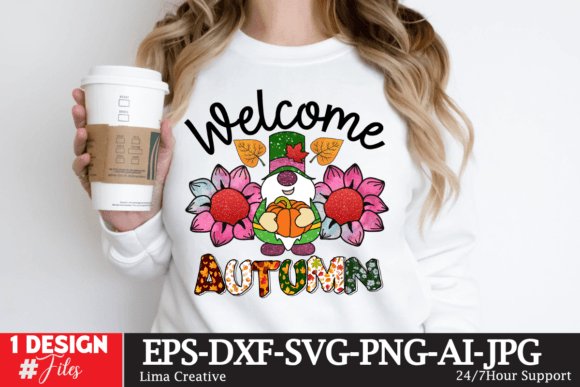
Welcome Autumn Sublimation PNG Review
As a designer who has spent years turning digital files into tactile, stitched realities, I approach every new asset with a mix of excitement and skepticism. When Welcome Autumn Sublimation PNG landed in my inbox, I didn't just see a pretty image; I saw a potential centerpiece for a fall collection. However, the transition from a high-resolution print file to a physical embroidery piece is rarely seamless. This review breaks down exactly how this design behaves when it moves from your screen to the hoop, based on practical testing for real-world projects.
The First Stitch: Visual Mood and Layout
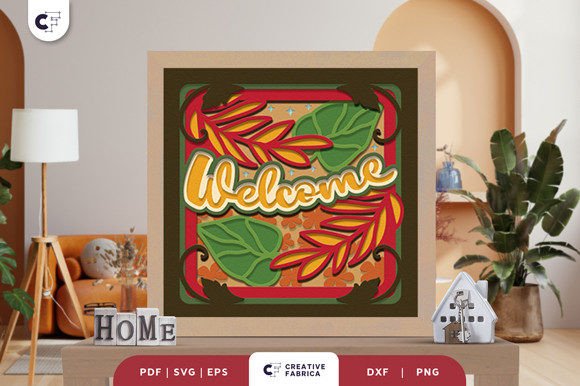
The immediate impression of Welcome Autumn Sublimation PNG is one of warmth and seasonal invitation. The layout feels organic, avoiding the rigid symmetry that often plagues generic clip art. For an embroidery project, the visual personality is crucial because thread cannot replicate the subtle gradients of a sublimation print. Instead, it relies on texture and stitch direction to convey depth. The flowing elements suggest a design that would work beautifully as a focal point on a garment or home decor item, creating a cozy atmosphere that resonates with customers looking for handmade quality.
In terms of shape and detail level, the design strikes a balance that is often hard to find. It offers enough character to stand out but avoids unnecessary clutter that could get lost in the stitching process. Whether you are a hobbyist making gifts or a small business owner preparing inventory for Etsy, the aesthetic fits perfectly within the current trend of rustic, farmhouse-style decor. It feels authentic rather than mass-produced, which is the holy grail for any T-Shirt Designs or apparel graphics aiming for a premium feel.
Real-World Application: From Screen to Stitch
Let's talk about where this design actually shines in a commercial setting. I recently simulated using Welcome Autumn Sublimation PNG for a custom embroidered tote bag line intended for a local farmers market. The goal was to create a product that felt like a personalized gift but could be produced efficiently. The design's flow lends itself well to curved surfaces, making it an excellent candidate for the front panel of a canvas tote or the chest area of a heavy cotton sweatshirt.
When I considered the finished product value, the clarity of the lines in the original file suggested that even after digitizing for machine embroidery, the core message would remain legible. Customers browsing craft fair booths respond strongly to cohesive branding. A well-executed autumn motif on a kitchen towel or a nursery pillow cover signals attention to detail. If you are selling Graphics that translate well into physical goods, this design supports that narrative. It elevates a simple item into a thoughtful present, increasing the perceived value and justifying a higher price point for boutique merchandise.
Furthermore, the versatility of the theme allows for broad application. Imagine a series of holiday gifts featuring this design on baby onesies, aprons, or even decorative patches. The "Welcome" aspect invites customization, allowing you to add names or dates without disrupting the overall composition. This flexibility is vital for commercial embroidery projects where personalization drives sales.
Where to Exercise Caution
While the design is promising, no single file is a magic bullet for every scenario. There are specific situations where Welcome Autumn Sublimation PNG requires careful handling. Small hoop sizes are the first red flag. If you attempt to stitch this on a tiny cap brim or a delicate baby bootie, the intricate details may blur together. The saturation required to make the colors pop can lead to excessive thread density, causing puckering on thin fabrics.
Textured materials also demand scrutiny. While linen or denim adds character, they can obscure fine lines. If the fabric weave is too coarse, the running stitches might not lay flat, ruining the clean look of the original artwork. Additionally, stretchy fabrics like jersey knits require a stabilizer strategy that goes beyond the standard setup. Without proper backing, the tension of the satin stitch could distort the garment over time, especially after frequent washing.
Curved surfaces like caps present another challenge. The design flows naturally, but mapping that flow onto a curved dome requires precise digitizing adjustments. If the angle is off, the text or main graphic elements can appear tilted or distorted to the wearer. Similarly, dense stitch areas should be monitored closely. If the design relies heavily on fill stitches to mimic the sublimation effect, it might become stiff and uncomfortable against the skin, particularly on children's clothing.
Practical Notes for the Embroidery Designer
Before committing to a full production run, there are several technical steps you must take to ensure success. First and foremost, test the design on scrap fabric that matches your final material. This step reveals issues with thread contrast, stitch density, and fabric reaction that you cannot predict from a computer screen. Check the thread colors carefully; what looks vibrant in RGB might appear muddy in thread form if the saturation is too low.
Review the stitch density and confirm your hoop size before starting. If the design includes tiny lettering or detailed corners, inspect them under magnification to ensure they will hold up to wear. It is also wise to test the design in black and white mockups to verify that the contrast remains strong regardless of the color palette used. Comparing light and dark fabric backgrounds is essential, as the design may need different underlay settings for each to prevent show-through or loss of definition.
Always use the proper stabilizer for your specific project type. For items like tote bags or aprons, cut-away stabilizers provide the necessary support, while tear-away might suffice for lighter garments. Furthermore, verify whether the design works for both personal and commercial projects by checking the license terms included with the download. Many designers assume all digital files are commercial-ready, but this is not always the case. Confirming these details protects your business and ensures you are using legitimate assets.
Final Verdict on Design Assets
Welcome Autumn Sublimation PNG stands out as a versatile tool for creative entrepreneurs who understand the nuances of converting digital art into tangible products. It captures the essence of the season without being overly cliché, offering a solid foundation for a wide range of embroidery projects. Whether you are crafting a personalized gift for a family member or building a robust catalog of handmade products for your shop, this design delivers on its promise of visual appeal.
However, success lies in the execution. By respecting the limitations of the medium—such as fabric texture and hoop constraints—you can transform a simple PNG into a stunning finished product. The key is to treat the file not as a final answer, but as a starting point for your own creative judgment. With the right preparation and a keen eye for detail, Welcome Autumn Sublimation PNG can become a staple in your arsenal of design assets, helping you deliver professional results that customers love.