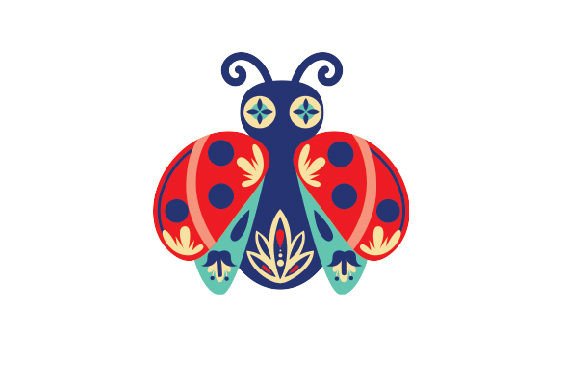
Floral Folk Art Ladybug: A Designer's Real-World Review
When I first opened the files for Floral Folk Art Ladybug, my immediate reaction wasn't about the file formats or the technical specs. It was about the mood. There is a specific warmth to this design that feels less like a generic insect motif and more like a piece of vintage storybook art brought to life with thread. As someone who has stitched thousands of designs for clients ranging from boutique clothing lines to custom baby gifts, I look for that intangible quality before I ever load the file into my machine.
This design screams springtime, but it carries a grounded, folk-art charm that makes it versatile enough to transcend just one season. The layout balances the playful nature of a ladybug with the organic flow of floral elements, creating a visual rhythm that works beautifully in embroidery. But does it translate well from a digital preview to a physical stitched product? That is the question every designer and small business owner needs to answer before committing to production.
First Impressions: Mood and Visual Personality
The Floral Folk Art Ladybug design immediately establishes a friendly, approachable personality. In the world of handmade goods, the difference between a mass-produced item and a cherished gift often comes down to the character of the design. This piece has character. The folk art style suggests hand-drawn origins, which means the stitches will likely mimic that imperfect, human touch rather than looking overly rigid or robotic.
Visually, the design relies on a mix of shapes that suggest both structure and softness. The ladybug provides a focal point, while the surrounding floral elements add depth and context. When I imagine this stitched onto fabric, I see a high level of engagement from the viewer. It invites you to lean in closer to inspect the details. For an Etsy seller or a craft fair vendor, this kind of "look closer" appeal is invaluable because it signals quality and care.
The color palette implied by the design name suggests vibrant reds, greens, and perhaps soft pastels. These are classic spring colors, but the folk art interpretation keeps them from feeling too saccharine. Instead, they feel earthy and timeless. This makes the design suitable for a wide range of projects, from nursery decor to adult apparel, without feeling out of place.
Real-Life Application: From Screen to Stitch
Let's talk about how this design performs when we move it off the screen and into a real project. I recently considered using Floral Folk Art Ladybug for a custom tote bag line intended for a local spring market. The goal was to create something that felt artisanal and unique, not like a factory print. The SVG and DXF files provided are excellent for vector-based cutting if you plan to use applique techniques, but the true test is in the machine embroidery.
In a practical scenario, this design shines on structured fabrics. Imagine stitching it onto a heavy cotton canvas tote bag. The density of the fill stitches would hold up well against the rugged texture of the canvas, and the floral details would pop against the solid background. The contrast between the bold ladybug shape and the delicate flower petals creates a dynamic composition that looks professional and polished. It elevates a simple tote bag into a statement piece that customers would be proud to carry.
I also envision this design thriving on baby items. A sweatshirt or a onesie featuring Floral Folk Art Ladybug would make for a delightful personalized gift. The soft, rounded edges of the folk art style are perfect for children's wear, avoiding any sharp or aggressive lines. However, when working with baby clothes, the choice of stabilizer and thread becomes critical. You want the finish to be soft to the touch, so testing the stitch density on scrap fabric is non-negotiable. If the design is too dense, it might become stiff and uncomfortable against a baby's skin.
For commercial embroidery projects, such as branding for a small shop or merchandise for a craft business, this design offers strong brand consistency. It is distinct enough to be recognizable but flexible enough to fit various products. Whether it is embroidered on an apron for a kitchen workshop, a patch for a denim jacket, or a pillow cover for a home decor collection, the Floral Folk Art Ladybug maintains its integrity. It adds a layer of storytelling to the finished product, making it more than just a utility item.
Where Caution is Required
While this design is robust, no single embroidery file is a magic bullet for every situation. There are specific scenarios where Floral Folk Art Ladybug requires careful consideration. One major area of concern is small hoop sizes. If you attempt to stitch this design on a very small surface, such as a cap brim or a tiny pocket, the fine details of the floral elements might get lost or crowded together. The running stitches that define the delicate leaves could merge if the fabric is too tight or the hoop too small.
Textured and stretchy fabrics present another challenge. While the design looks great on stable cottons and linens, applying it to highly textured materials like chunky knits or thin, stretchy jersey can lead to distortion. The satin stitches used for the ladybug shell need a smooth surface to lay flat. On a stretchy fabric, the tension might cause the design to pucker or warp over time, especially after washing. If you must use this design on a stretchy garment, investing in a high-quality tear-away or cut-away stabilizer is essential to maintain the shape.
Dark fabrics also require a strategic approach. The design relies on contrast to convey its folk art charm. If you stitch light-colored threads on a dark background, you may lose some of the subtlety in the floral details. Conversely, dark threads on a black shirt might disappear entirely unless you use a high-density underlay. Always test your thread color choices on the actual fabric you intend to use. A mockup in black and white can help you visualize the value and contrast before you commit to expensive thread.
Impact on Product Value and Customer Trust
The way a design is executed directly influences customer perception. A well-stitched Floral Folk Art Ladybug project communicates professionalism and attention to detail. When a buyer receives a handmade product with crisp lines, balanced stitch density, and clean edges, their trust in the maker increases. They are more likely to return for future purchases and recommend the shop to others.
Conversely, a poorly executed design can undermine even the best product idea. If the stitches are uneven, the colors clash, or the design looks distorted, it can make the entire item feel cheap. This is why reviewing the design assets before production is so important. Checking the EPS and PNG files allows you to see the final composition clearly, ensuring that the spacing and proportions work for your specific product dimensions.
For digital product sellers, the inclusion of transparent PNGs and SVG files adds significant value. These formats allow you to create realistic printable mockups for your listings. Showing potential buyers exactly how the Floral Folk Art Ladybug looks on a tote bag or a shirt helps them visualize the finished product, reducing hesitation and increasing conversion rates. It bridges the gap between the digital file and the physical reality of the craft.
Practical Notes for the Designer
Before you start stitching, there are several practical steps to ensure success. First and foremost, always test the design on scrap fabric. This simple step can save you hours of frustration and wasted materials. Check the thread color contrast carefully; what looks good on a screen might not have the right punch in thread form. Review the stitch density to ensure it isn't too heavy for the fabric you are using, and confirm that your hoop size matches the design dimensions.
Inspect the small details closely. The floral elements contain fine lines that need to be rendered clearly. If you notice any gaps or weak spots in the digital file, address them before loading the machine. Use proper stabilizer for the specific fabric type; this is the backbone of a successful embroidery project. Finally, verify the licensing terms. Ensure that you have the rights to sell finished items made with this design, especially if you are planning to use it for commercial purposes or in your own craft business.
The Floral Folk Art Ladybug is a thoughtful addition to any designer's library. It offers a blend of whimsy and structure that fits perfectly into the Spring category of crafts. Whether you are creating a custom gift for a loved one or building a line of boutique products, this design has the potential to elevate your work. By taking the time to understand its strengths and limitations, you can produce finished products that are not only beautiful but also durable and professionally executed.