Family Tree 5 Members 3D Papercut Review
I have spent years evaluating digital assets for my own studio and for the boutique clients I consult with. There is a specific moment when a file lands on your desk where you can immediately tell if it will be a "maybe" or a "yes." That moment arrived when I opened the Family Tree 5 Members 3D Papercut. It isn't just another generic floral motif; it carries a distinct narrative weight that suggests it was built for more than just a quick hobby stitch.
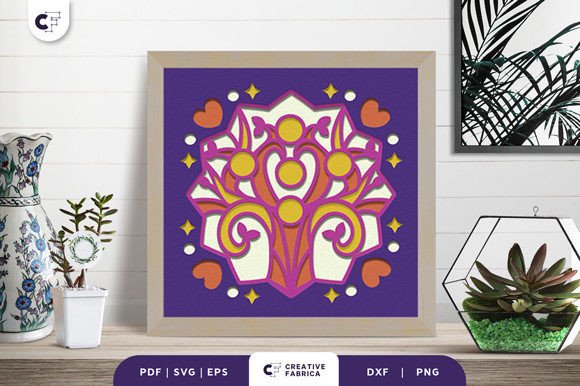
The design introduces itself as a modern take on traditional family bonds, utilizing a unique papercut aesthetic translated into a 3D SVG format. For those of us who understand the translation gap between a vector line art and a stitched reality, this distinction is critical. The visual personality here is crisp, layered, and deeply personal. It feels less like an ornament and more like a story waiting to be told on fabric.
From Screen to Stitch: The First Impression
When I first loaded the Family Tree 5 Members 3D Papercut into my digitizing software, the layout struck me as exceptionally balanced. The five-member structure provides a natural focal point without feeling cluttered, which is often a pitfall in family-themed designs. The papercut style implies clean lines and negative space, elements that are crucial for maintaining clarity during the embroidery process.
In a market saturated with overly dense fill stitches that look muddy after washing, this design offers a breath of fresh air. The concept relies on the illusion of depth created by the paper cut layers, which translates beautifully when rendered with satin stitches and precise running stitches. It creates a mood of warmth and heritage, making it instantly suitable for heirloom pieces or sentimental gifts. It doesn't scream for attention; rather, it invites the viewer to lean in and appreciate the details of the connection between the figures.
Real-World Application: A Custom Tote Scenario
To truly test the viability of this asset, I decided to simulate a real-world commercial scenario. Imagine a client approaching an Etsy seller or a craft fair vendor asking for a custom embroidered tote bag for a mother's day gift. They want something that represents their immediate family but avoids the cliché of a standard text-based design.
This is where the Family Tree 5 Members 3D Papercut shines. Placing this design on a sturdy canvas tote allows the texture of the fabric to complement the sharp edges of the papercut style. Unlike a design meant for a smooth jersey t-shirt, the slightly rougher weave of a tote bag adds character to the stitching, enhancing the handcrafted feel. If executed correctly, the finished product would sit perfectly centered on the bag, acting as a badge of pride for the owner.
I also considered its application on a baby onesie. The delicate nature of the papercut lines works well against the soft cotton of infant wear. However, one must be mindful of the scale. On a small garment, the five distinct members need to remain legible. If the design is too large, the individual shapes might merge into a blob of thread. But sized correctly, it becomes a cherished keepsake that parents will display proudly.
Performance Across Different Garments and Surfaces
The versatility of this embroidery file extends beyond bags and baby clothes. For the small business owner looking to expand their catalog, this design fits seamlessly into holiday collections, wedding favors, and nursery decor. The "ornament" category classification makes sense, as the design has a decorative quality that elevates plain items like tea towels, pillow covers, and aprons.
On a kitchen towel, the design could serve as a subtle accent near the hem, adding a touch of elegance without overwhelming the utility of the item. For a sweatshirt, the contrast between the soft fleece and the structured embroidery would create a high-end streetwear look. The design acts as a strong visual anchor, improving the perceived value of the handmade product.
However, not every surface is a good match. When considering curved surfaces like caps or fitted hats, the flat geometry of the papercut tree might struggle to conform naturally unless the digitizer has accounted for significant distortion. Similarly, on stretchy fabrics like thin knits, the tension of the threads could cause puckering if the stabilizer isn't chosen with extreme care. The design requires a stable foundation to maintain its crisp, architectural look.
Critical Considerations for the Professional Designer
Before committing to a production run or selling this as a digital embroidery file, there are practical steps every designer must take. The papercut style relies heavily on the definition of its edges. If the stitch density is too low, the shapes will appear weak and undefined. Conversely, if it is too high, the fabric may pucker, ruining the clean lines that define the style.
I strongly recommend testing the design on scrap fabric first. This is non-negotiable. You need to verify how the thread colors interact with your specific background. A black outline on a dark fabric might disappear, while white thread on a light fabric might get lost in the weave. Always inspect small details closely; the tiny gaps in the papercut effect can easily become clogged with thread if the machine settings aren't optimized.
Furthermore, consider the washability. Since this design likely involves multiple color changes and potentially dense areas, it needs to withstand repeated laundering without losing its integrity. Using the proper stabilizer is essential to prevent shifting, especially if the final product is intended for frequent use, like a work apron or a child's clothing.
Impact on Brand and Customer Trust
For the Etsy seller or craft business owner, the quality of the design directly impacts customer trust. A poorly executed family tree can look amateurish, whereas a clean, well-stitched version conveys professionalism. The Family Tree 5 Members 3D Papercut has the potential to elevate a brand's image because it feels thoughtful and curated.
When customers see a finished product that looks like a piece of art rather than a mass-produced sticker, they are more willing to pay a premium. The design facilitates a strong emotional connection, which is the primary driver of sales in the personalized gift market. It transforms a simple commodity into a meaningful personalized gift.
Finally, always confirm the licensing terms before using this asset for commercial purposes. Whether you are creating custom apparel for sale or offering the design as a download, understanding the rights associated with the 3D SVG is vital for protecting your business. Check the documentation provided by the creator to ensure you are compliant with any restrictions on resale or distribution.
In conclusion, the Family Tree 5 Members 3D Papercut is a robust addition to any designer's library. It balances artistic flair with practical application, making it an excellent choice for anyone looking to create high-quality, emotionally resonant embroidered projects. With careful execution and attention to detail, this design can be the centerpiece of successful, profitable products.