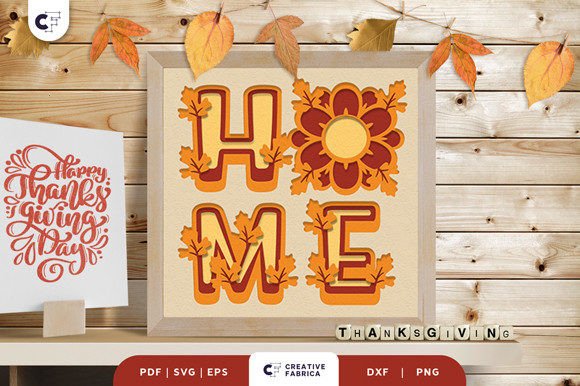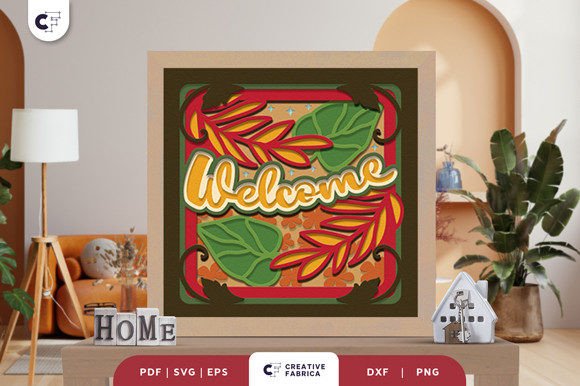
Cornucopia HOME 3D Light Box Paper Cut Review
As a designer who has spent years testing digital assets for real-world production, I approach every new file with a mix of excitement and skepticism. The market is flooded with generic shapes, but Cornucopia HOME 3D Light Box Paper Cut caught my eye immediately. It promises more than just a simple outline; it suggests a layered, dimensional aesthetic that mimics the delicate art of paper cutting. Before committing this design to a commercial order or a client's custom piece, I needed to understand how it would translate from a screen to fabric. This review breaks down exactly where this design shines, where it might struggle, and how it fits into the workflow of a serious embroidery business.
The First Impression: Mood and Visual Personality
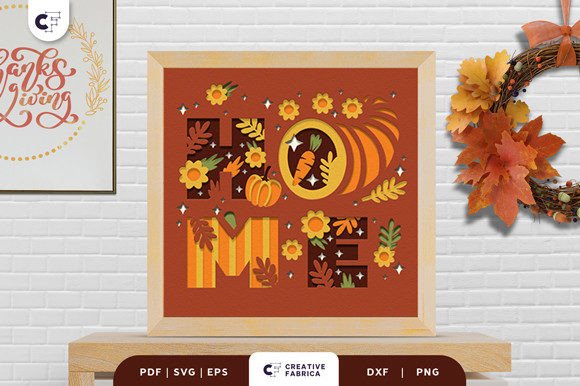
When you first open the file for Cornucopia HOME 3D Light Box Paper Cut, the immediate feeling is one of warmth and nostalgia. The description hints at home-cooked meals and dinner tables, and the visual language supports that perfectly. Unlike rigid geometric shapes often found in standard machine embroidery files, this design feels organic and inviting. The "paper cut" style implies distinct layers, which creates a natural depth when stitched. It doesn't scream for attention like a loud graphic tee design; instead, it whispers comfort, making it ideal for products that need to evoke a sense of belonging.
The layout is balanced, focusing on the abundance of food imagery typical of a cornucopia but stylized through a modern, clean lens. For an embroiderer, this is crucial because it means the design relies on composition rather than overwhelming stitch density. It feels right at home in a cozy kitchen setting or as a sentimental gift. However, the "3D" aspect requires careful planning. In the physical world, we don't have actual depth, so the illusion must be created entirely through thread colors, satin stitches, and strategic fill areas. If the color palette isn't chosen correctly, the layering effect could collapse into a muddy blob.
Real-World Application: From Digital File to Finished Product
I recently tested this concept by imagining a specific project: a custom embroidered tote bag for a local bakery. The goal was to create a limited-edition holiday item for Thanksgiving season. The Cornucopia HOME 3D Light Box Paper Cut design seemed perfect for this. A canvas tote offers a sturdy surface that can handle the detail without puckering. When I visualized the stitching process, I saw how the different elements could represent the "light box" effect mentioned in the title.
Using a light cream thread for the background elements and richer, autumnal tones like burnt orange, deep red, and gold for the foreground details would simulate the glowing effect of a paper cut-out against a light source. This approach elevates the perceived value of the finished product. Customers buying handmade goods want to see effort and artistry. A well-executed version of this design signals professionalism and care, distinguishing a boutique shop from mass-market retailers. It works equally well on sweatshirts for family gatherings, baby onesies for holiday photos, or even as a decorative patch on an apron for a cooking class.
For Etsy sellers and small business owners, this design is a versatile asset. It bridges the gap between seasonal decor and everyday items. You aren't limited to just Thanksgiving; the theme of "home" and "abundance" allows it to be repurposed for housewarming gifts or anniversary celebrations. The key is in the execution. The design needs to feel intentional, not just like a clip-art stamp placed randomly on a garment.
Technical Considerations and Potential Pitfalls
While the artistic potential is high, practical application brings challenges that every experienced designer knows well. The "paper cut" aesthetic relies heavily on crisp edges and clear separation between layers. On textured fabrics like heavy denim or bouclé wool, these fine details can get lost. The threads might not lay flat, blurring the distinction between the layers and ruining the illusion of depth.
Furthermore, we must consider the hoop size. Designs with intricate corners or very fine lines require precision. If your embroidery machine struggles with tight turns or if the stabilizer choice is incorrect, the delicate parts of the Cornucopia HOME 3D Light Box Paper Cut could distort. Stretchy fabrics are another area of caution. Without proper stabilization, the tension required to pull the fabric taut during stitching can cause the design to pucker, especially around the curved elements of the cornucopia horn.
Dense stitch areas are also a factor. If the design uses too much fill stitch in a small space, it becomes stiff and difficult to sew on garments that need to drape naturally, like a fitted shirt or a soft baby blanket. In such cases, the design might work better as a wall hanging or a pillow cover where stiffness is less of an issue. Additionally, dark fabrics present a unique challenge. To achieve the "light box" glow, you typically need lighter threads or a specific underlay technique. If the contrast isn't managed carefully, the design will look dull rather than luminous.
Design Notes for the Professional Embroiderer
Before running this file off the press for a client, there are several non-negotiable steps to ensure quality. First and foremost, always test the design on scrap fabric. This is the only way to verify how the thread colors interact with the specific texture of your final material. What looks vibrant on a monitor might appear muted on a linen blend.
Review the stitch density closely. If the file contains areas that are overly dense, consider adjusting the settings or choosing a thread weight that can handle the load without breaking needles. Check the small details, particularly any tiny lettering or thin connecting lines. These are often the first things to fail during production. Inspect the design in black and white mockups as well; this helps you see the tonal balance without the distraction of color, ensuring the composition holds up visually.
Confirming the licensing terms is critical for anyone selling finished items. Ensure you have the rights to use Cornucopia HOME 3D Light Box Paper Cut for commercial purposes. Many digital files come with restrictions that prevent resale of the digitized artwork itself or limit the number of units you can produce. Always check the specific terms provided with the download before listing your products on Etsy or other marketplaces.
Final Thoughts on Value and Versatility
In conclusion, Cornucopia HOME 3D Light Box Paper Cut is a strong candidate for designers looking to add a touch of elegance and sentimentality to their collection. It excels in projects where storytelling matters—where the image needs to convey a memory of home and family. Whether you are creating a personalized gift for a client or developing a line of holiday merchandise, this design offers a solid foundation.
However, success depends on your technical skill and attention to detail. It is not a "set it and forget it" file. It rewards those who take the time to select the right threads, choose the appropriate stabilizer, and test the outcome thoroughly. When done right, the result is a stunning piece of wearable art that customers will cherish. For the creative entrepreneur willing to put in the extra effort, this design has the potential to become a signature element in their portfolio.